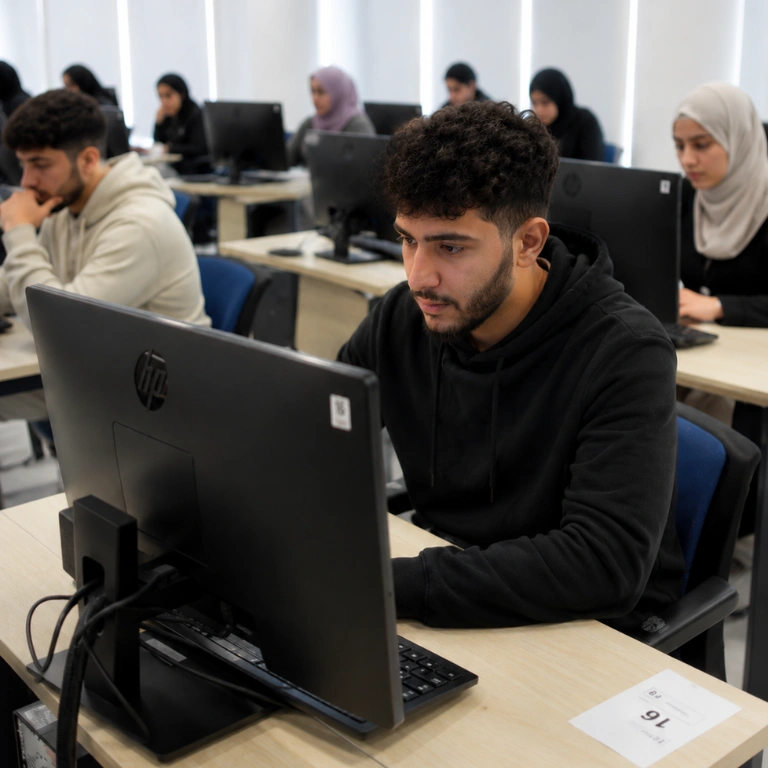
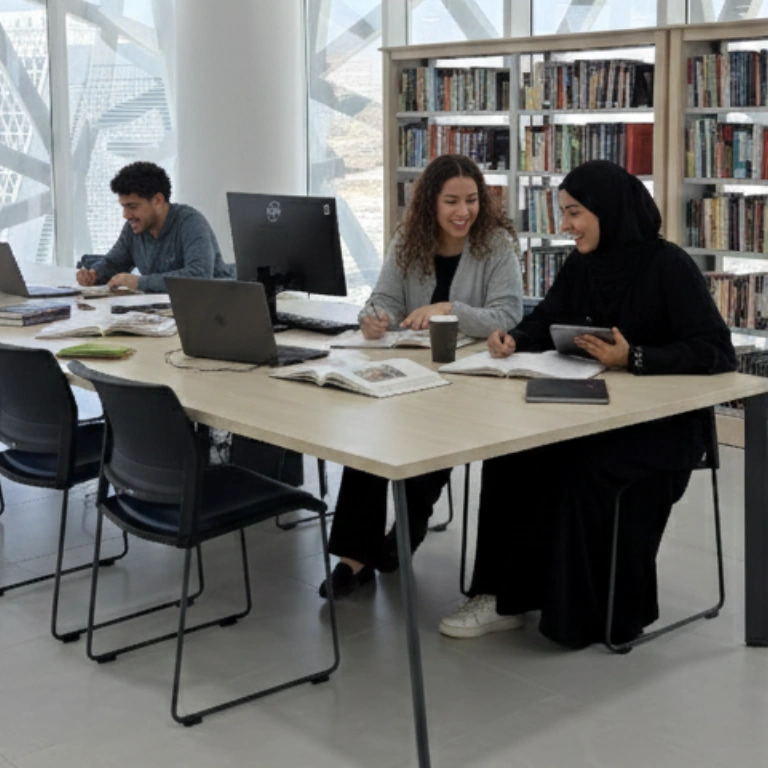
This program provides students with the opportunity to experience the research process to instil the passion for discovery and to acquire research skills and deepen their knowledge in an area of science. The aim of this program is to provide professional development of students, providing experience in problem definition, hypothesis formulation and testing, data acquisition, analysis and interpretation, and project presentation. Students work under the guidance of a supervisor who is a full-time academic staff member of the faculty. Students are examined through the presentation of a thesis, and may be required to take prescribed subjects in research methodology or any other subject deemed necessary by their principal supervisor. Students are suggested to undertake extra activities in consultation with their supervisor to enhance and develop their skills as a researcher, where these activities are documented each year in the form of a study plan. The work undertaken for this program must constitute a significant contribution to the knowledge and understanding of a field of study of direct concern to the faculty and demonstrate student’s capacity to carry out independent research.
Program Highlight
Faculty
Laws
Duration
2 Years
Credits
50
Language
English
Program Highlights
- Theory of Statistical Inference, Advanced Probability Theory, Foundations of Statistics
Curriculum Overview
Our university curriculum is designed to deliver a balanced future-focused learning experience that empowers students with both academic knowledge and practical competencies Each program is structured to combine foundational coursework specialized major subjects hands-on learning and interdisciplinary opportunities By integrating theory research and real-world applications we prepare students to excel in a rapidly evolving global environment Students begin with core courses that build essential skills in communication, critical thinking, digital literacy, and quantitative analysis.
Curriculum Breakdown Summary
Our curriculum is structured to provide a well-rounded, progressive learning journey that supports both academic excellence and practical skill development. It is organized into four key components: Core Courses, Major Requirements, Electives, and Experiential Learning.
| Regular Students | Required Credits |
|---|---|
| Core Courses | 30 Credits |
| Science (S) Core | 30 Credits |
| Business (B) Core | 3 Credits |
| GPA | 3 Credits |
| Total | 90 Credits |
Core Courses
The Science (S) Core develops a strong foundation in scientific principles, analytical thinking, and evidence-based problem-solving These courses introduce students to the fundamental concepts of the natural world while strengthening their abilities to observe, experiment.
| Semester 1 | Courses Code | Core Courses | Credits |
|---|---|---|---|
| Foundations in Communication & Critical Thinking (12 Required Credits) | IBS301 | International Business Management | 3 Credits |
| BUS109 | Introduction to Microeconomics | 3 Credits | |
| MKT200B | Principles of Marketing | 3 Credits | |
| BUS308B | Strategic Management | 3 Credits | |
| Accounting | BUS325B | Introduction to Operations Management & Decision Science | 3 Credits |
| FIN305 | Introduction to Corporate Finance | 3 Credits | |
| BUS110 | Introduction to Macroeconomics | 3 Credits | |
| ACC101 | Introduction to Accounting | 3 Credits | |
| Management | BUS100A | Introduction to Business | 3 Credits |
| BUS211C | People and Organization | 3 Credits |
Science (S) Core
The Science (S) Core develops a strong foundation in scientific principles, analytical thinking, and evidence-based problem-solving These courses introduce students to the fundamental concepts of the natural world while strengthening their abilities to observe, experiment.
| Semester 2 | Courses Code | Science | Credits |
|---|---|---|---|
| Science | PHY 101 | Conceptual Physics | 3 Credits |
| BIO 105 | Introduction to Life Sciences | 3 Credits | |
| PHY 101 | Introduction to Physical Science | 3 Credits | |
| ENV 110 | Environmental Science | 3 Credits | |
| Technology | CS 101 | Digital Foundations and Applied Programming | 3 Credits |
| TECH 205 | Management Information Systems (MIS) | 3 Credits | |
| ENGR 100 | Introduction to Engineering Principles | 3 Credits | |
| DATA 210 | Data Management and Visualization | 3 Credits | |
| Mathematics | MATH 115 | College Algebra and Trigonometry | 3 Credits |
| STAT 201 | Probability and Statistics | 3 Credits |
Business (B) Core
The Business Core, requiring 30 credits (typically eleven 3-credit courses), is the largest component of the foundational curriculum. It ensures students gain a comprehensive, interdisciplinary understanding of the functional areas necessary to operate and manage an organization.
| Semester 3 | Courses Code | Business Core | Credits |
|---|---|---|---|
| Finance | IBS301 | International Business Management | 3 Credits |
| BUS109 | Introduction to Microeconomics | 3 Credits | |
| MKT200B | Principles of Marketing | 3 Credits | |
| BUS308B | Strategic Management | 3 Credits | |
| Accounting | BUS325B | Introduction to Operations Management & Decision Science | 3 Credits |
| FIN305 | Introduction to Corporate Finance | 3 Credits | |
| BUS110 | Introduction to Macroeconomics | 3 Credits | |
| ACC101 | Introduction to Accounting | 3 Credits | |
| Management | BUS100A | Introduction to Business | 3 Credits |
| BUS211C | People and Organization | 3 Credits |
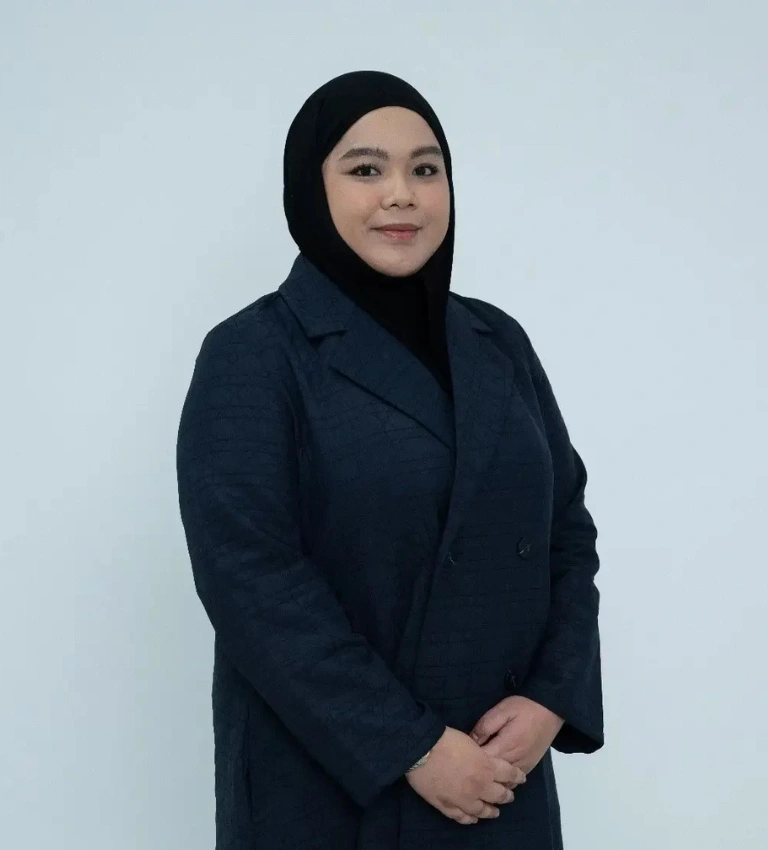
Ossama Elboraei
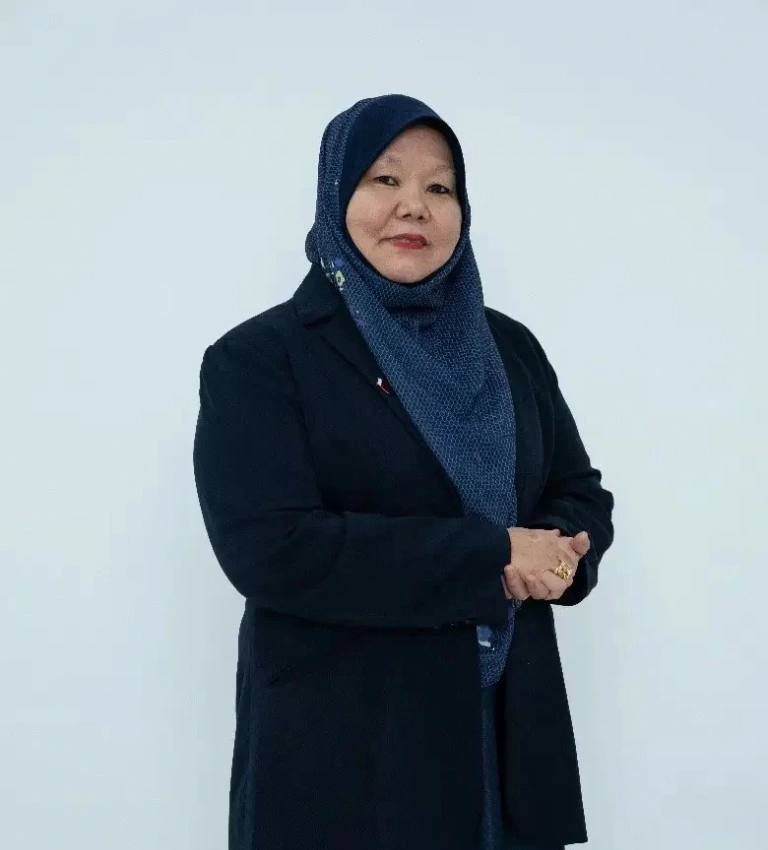
Facilities ManagerProf. Dr. Noor Azuan Hashim
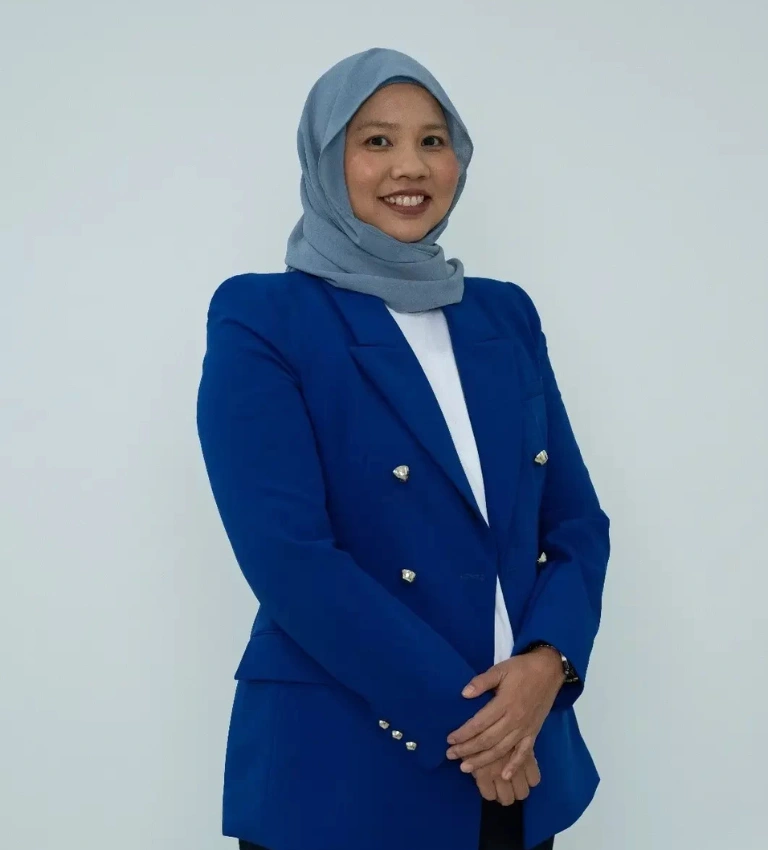
Faculty of Administrative & Financial SciencesAssoc. Prof. Dr. Hasnita Ali
Faculty of Administrative & Financial Sciences| Program Cost Details | Information |
|---|---|
| Duration of Study | Full-time: 4 - 6 Semesters (2 - 3 Years) |
| Tuition Fee | 100,000 QR |
| Registration Fee | 2,500 QR |
Admissions Requirements
Application Form
- Manual or online application form
Passport and Qatar ID
- Submit clear copy of your passport and Qatar ID.
Research Proposal
- Submit a detailed research proposal outlining your intended Master's research.
2 Referees:
- Submit the names and contact details of two referees who can provide recommendations.
Academic Transcripts and Certificates
- Provide your Bachelor's degree certificates and transcripts translated in English.
English Proficiency
- Obtained IELTS (6), or TOEFL (550) (This requirement is waived for applicants who completed their previous studies in English; submit an "English Medium Structure"certificate).
Photographs
- Provide passport-sized photos - one blue and one white background.
Research Proposal
The research proposal should contain the following details and not more than 8 pages:

- Research Title
- Introduction
- Background of Research
- Problem Statement
- Research Objectives
- Research Methodology
- Research Significance
- Literature Review
- References
Application Deadlines
| Academic Activity | Date |
|---|---|
| Registration Day | 16 Aug – 20 Aug 2026 |
| Lectures Start | 23 Aug 2026 |
| Mid Semester Break | 11 Oct – 15 Oct 2026 |
| Lectures Resume | 18 Oct – 10 Dec 2026 |
| Examinations | 13 Dec – 24 Dec 2026 |
| Semester Break | 25 Dec 2026 – 14 Jan 2027 |